
Have a question?
We're here to help!
We're here to help!
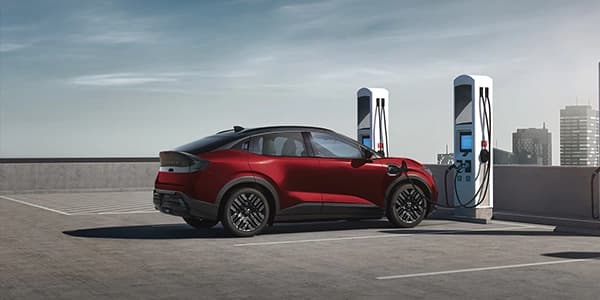
Explore the significant differences between electric vehicles (EV) and internal combustion engine (ICE) vehicles.
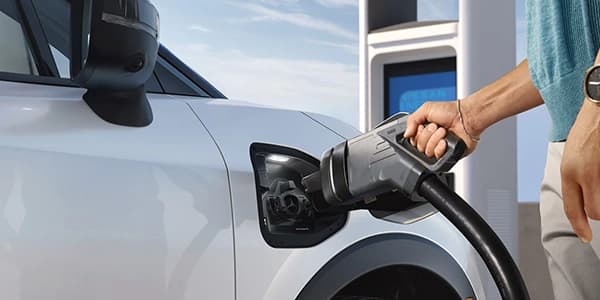
When people discuss electric vehicles, they're typically referring to Battery-Electric Vehicles (BEVs), which are powered exclusively by electricity. EVs use a large battery pack that supplies energy to an electric motor (or motors) to power the vehicle.
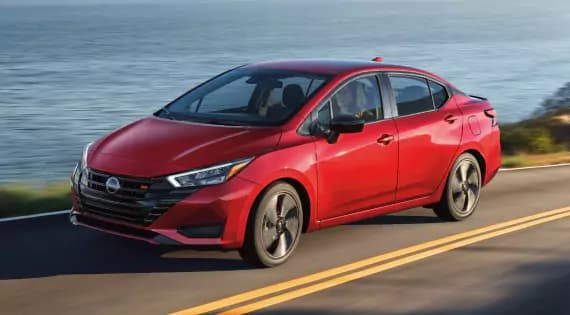
An internal combustion engine vehicle is an automobile powered by conventional, oil-derived resources such as gasoline or diesel fuel.
An ICE vehicle ignites fuel inside the cylinder using a spark plug to move pistons and rotate the crankshaft. Electric vehicles do not require internal combustion engines and instead use electric motors powered by rechargeable batteries.
EVs may require less frequent maintenance due to fewer moving parts, reduced fluid requirements, and regenerative braking that lowers brake wear.
EVs eliminate gas costs but require charging, which may affect electricity bills. Charging costs vary by region, charging location, and charger type.
EVs may have higher insurance rates due to purchase and repair costs, though gas savings and tax incentives may offset these expenses.
In some states, going EV may include tax credits, rebates, or other incentives for eligible vehicles.
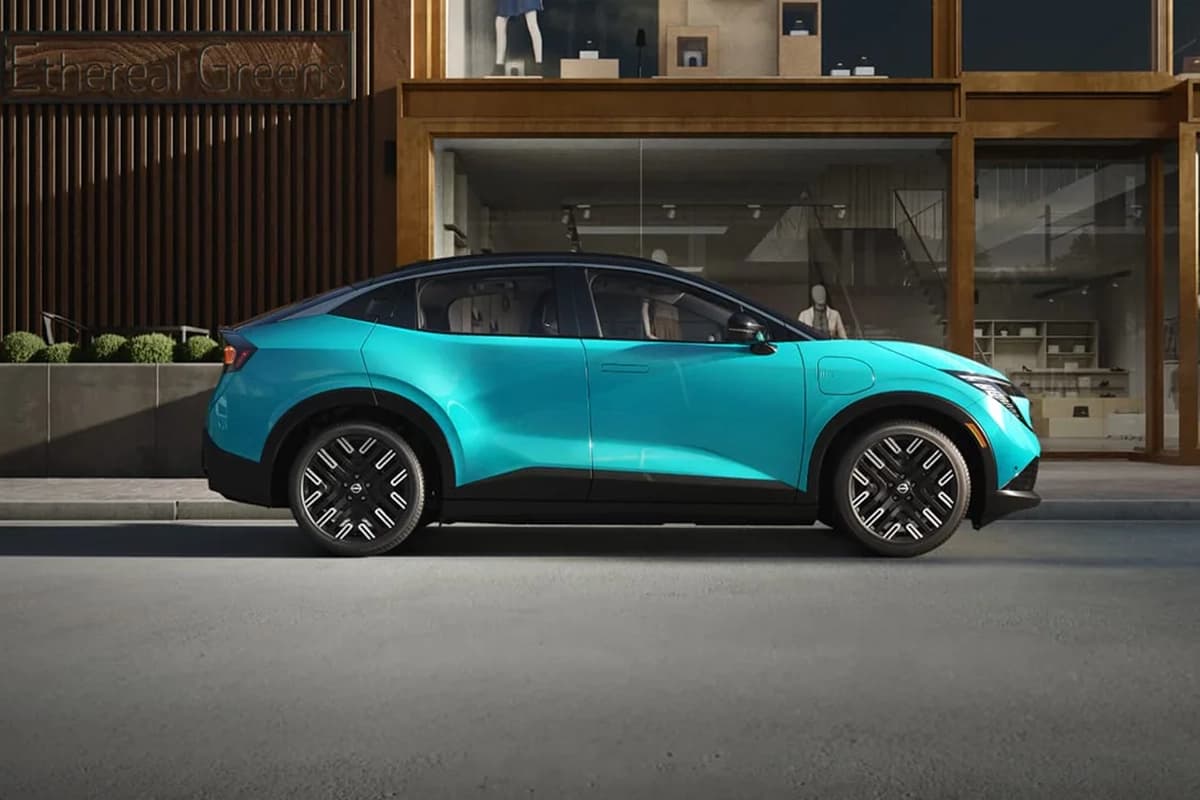
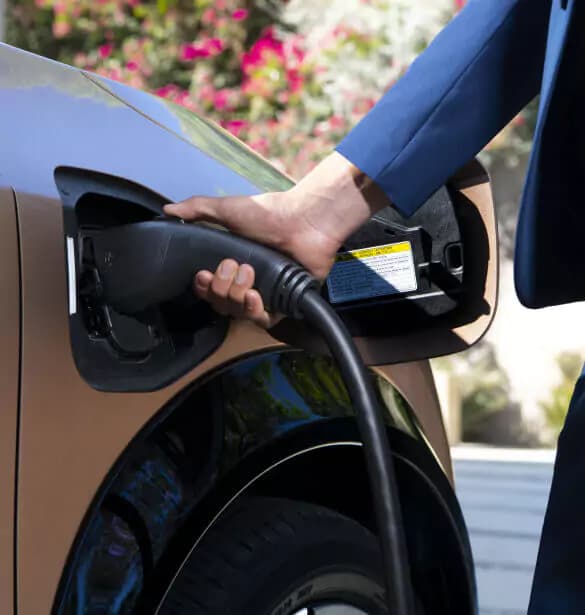
As battery technology advances, range increases, and charging becomes more convenient, more drivers than ever are going EV.
Learn More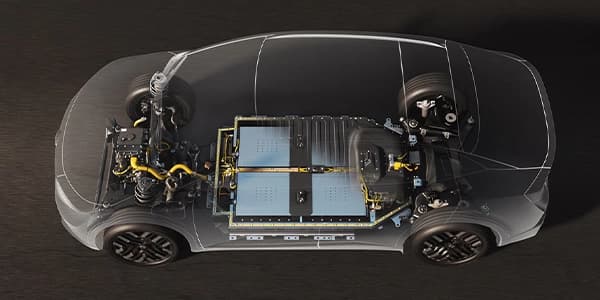
1 Charging time and capacity may vary based on power source, ambient temperature, battery temperature, condition, and age, and use of vehicle accessories while charging. For Level 1 home charging use only a 110-120 volt, 15-amp dedicated outlet for charging. For Level 2 home charging use only a 240 volt charging dock on a dedicated outlet for charging. See Customer Disclosure Form for details.
2 Public charging networks are provided by independent companies and are not within Nissan's control. Availability of charging stations not guaranteed.
3 The incentives referenced and estimator tool results are for informational and/or illustrative purposes only. This information does not constitute tax or legal advice. All persons considering use of available incentives and additional perks should consult with their own tax or legal professional to determine eligibility, specific amount of incentives available, if any, and further details. The incentives and additional perks are not within Nissan's control and are subject to change without notice. Interested parties should confirm the accuracy of the information before relying on it to make a purchase. [Residency restrictions may apply.]
4 Contact your local dealer for inventory information. Pre-production model shown. Actual production model may vary.